
Preparing Your Home for a Hamster, Rat, Mouse or Gerbil
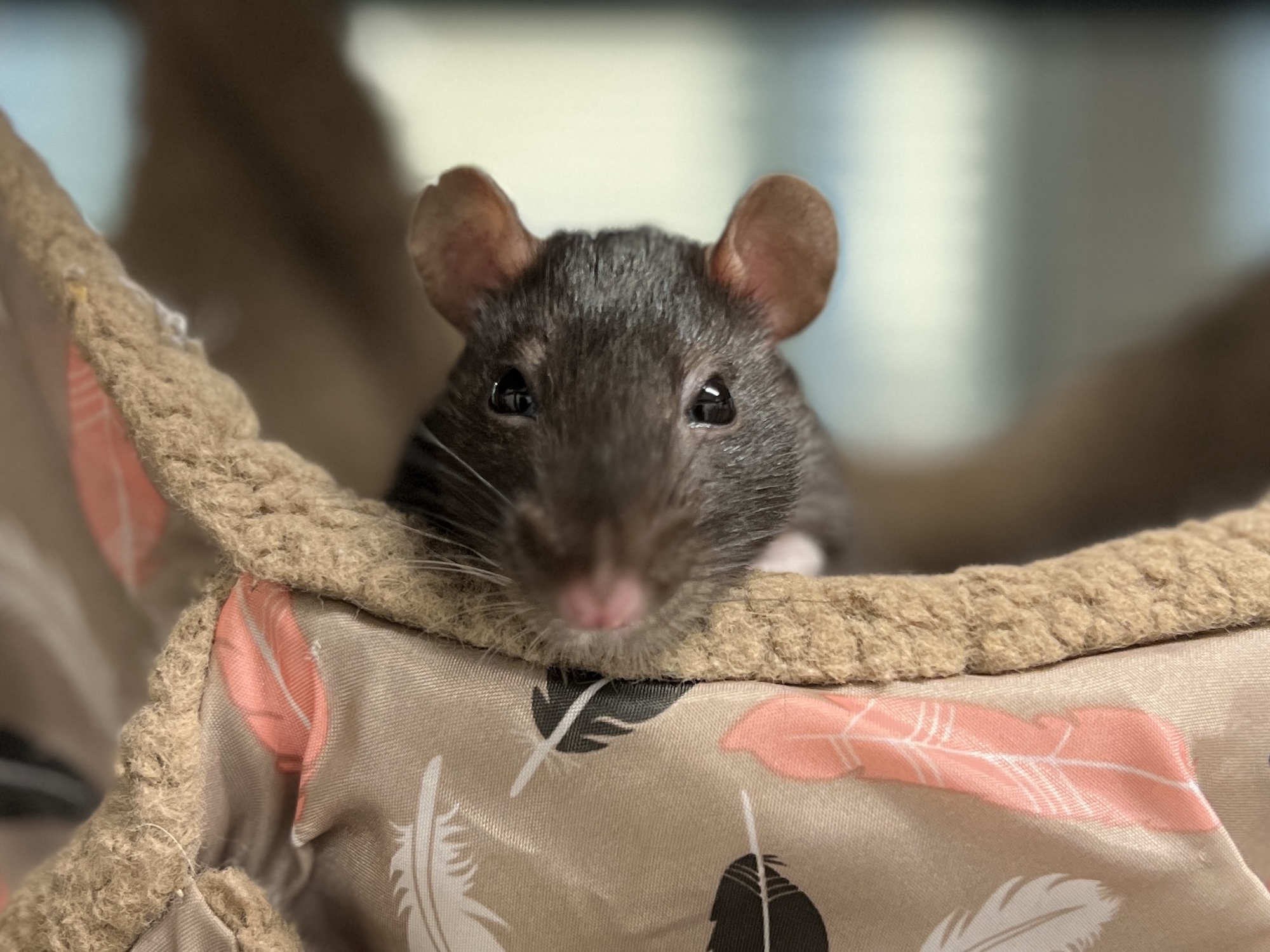
A hamster disappearing into a freshly made burrow, a pair of rats investigating every corner of their new hammock, or a gerbil carefully arranging its nesting material, these small moments can be the first signs that a new pet is beginning to feel at home.
For a hamster, rat, mouse or gerbil arriving from a shelter, however, even a thoughtfully prepared space will feel unfamiliar at first. The sounds are different. The scents have changed. The people nearby are new.
A secure habitat, familiar food and a calm introduction can make that transition much gentler. Small companion animals may not take up much room in our homes, but their habitat is a significant part of their world. Preparing it carefully gives them somewhere to hide, rest, explore and begin settling in at their own pace.
Before bringing home a hamster, rat, mouse or gerbil:
The right setup will look different for each species. A hamster’s deep burrowing habitat, for example, is not the same as the tall, social living environment required by a group of rats.
Hamsters, rats, mice and gerbils are sometimes grouped together because of their size. Their social lives, activity patterns and environmental needs can be very different.
Before purchasing a cage, wheel or other supplies, ask the shelter or adoption team:
Whenever possible, continue using familiar food, bedding and habitat features during the transition. Familiar scents and routines can provide reassurance while everything else is changing.
Different species should never be housed together, even if they appear similar in size.
Small animals can be sensitive to noise, vibration, temperature changes and activity around their habitat. Choose the location before assembling the enclosure so you do not have to move an occupied habitat unnecessarily.
Look for an area that is:
Avoid placing the habitat directly on the floor, where vibrations, drafts and approaching feet may feel threatening. A strong, stable surface can provide a better view and make daily care easier.
Remember that hamsters, mice, rats and gerbils may be most active during the evening, overnight or around dawn and dusk. A habitat in a bedroom can be surprisingly noisy once wheels, digging and chewing begin.
Your new pet should be able to move directly from their travel carrier into a secure, furnished environment.
Before adoption day, prepare:
Test doors, lids and water containers before your pet arrives. A water bottle can be full without dispensing properly, so touch the drinking tube to confirm that water is flowing.
Hamsters are active burrowers who need much more than a small cage and a wheel. They benefit from a spacious habitat with deep bedding, secure hiding places and room to follow their natural behaviours.
Provide a deep layer of safe bedding so your hamster can dig and construct tunnels. Bedding should hold the shape of a burrow without producing excessive dust.
The habitat should also include:
Hamsters often spend daylight hours sleeping. Place the habitat somewhere they can rest without being frequently disturbed.
A hamster wheel should have a solid running surface and be large enough for the hamster to run without arching its back.
As a general starting point:
Do not use exercise balls. They can prevent a hamster from choosing when to stop, hide, eat or drink, and may cause stress or injury.
Many hamsters need to live alone. Syrian and Chinese hamsters should generally be housed individually.
The social needs of some dwarf hamsters can be more complicated. Even hamsters that previously lived together may begin fighting. Follow the shelter’s guidance for the individual animal, and do not introduce unfamiliar hamsters without experienced advice.
Rats are intelligent, social animals who need companionship, mental stimulation and regular opportunities to explore.
A suitable rat habitat should be large, secure and tall enough to support climbing. It should include solid resting areas so the rats are not required to stand or sleep on wire.
Rats should generally live with compatible rats rather than alone. If you are adopting a bonded pair or group, prepare to bring them home together.
Ask the adoption team about:
Do not place unfamiliar rats together without a careful introduction process and knowledgeable guidance.
A well-prepared rat habitat may include:
Check fabric items regularly. Loose threads and heavily chewed fabric should be removed before they become an entanglement risk.
Rats also need regular, supervised time outside their main habitat. Prepare a secure exploration area where electrical cords, small openings, houseplants and chewable belongings are inaccessible.
Mice are curious, agile and skilled at fitting through surprisingly small spaces. Their habitat must combine ventilation with excellent escape prevention.
Inspect the enclosure carefully for:
A mouse habitat should include deep bedding, nesting areas and plenty of cover. Open, empty spaces can leave a small prey animal feeling exposed.
Useful habitat features can include:
Companionship needs depend on factors including sex, history and individual compatibility. Female mice are commonly kept with compatible female companions, while unfamiliar adult males may fight. Follow the shelter’s guidance rather than making changes to an established social arrangement on your own.
Gerbils are energetic, social animals and enthusiastic diggers. A deep, secure habitat allows them to create the tunnel systems that are central to their natural behaviour.
A gerbilarium—a deep glass habitat with a secure, ventilated mesh top—is often well suited to gerbils. It holds a substantial depth of bedding while still providing airflow.
Aim to provide approximately 20 to 30 centimetres of suitable bedding wherever the habitat design allows. Mixing complementary, species-safe bedding materials may help tunnels hold their shape.
The habitat can also include:
Gerbils can move large amounts of bedding. Make sure wheels, water containers and heavy objects remain stable as they dig underneath and around them.
Gerbils are social and generally benefit from living with compatible gerbil companions. Bonded animals should usually remain together.
Gerbil introductions can be complex, and an unsuccessful introduction may result in serious fighting. Do not add an unfamiliar gerbil to an established pair or group without experienced guidance.
Never pick up or restrain a gerbil by the tail. The tail can be seriously injured. Encourage the gerbil to enter a tunnel, container or cupped hands instead.
The best substrate depends on the species, but safe bedding is generally:
Avoid fluffy cotton, kapok and other stringy nesting products. These materials can become wrapped around feet or limbs and may cause digestive problems if swallowed.
Paper-based bedding and plain, unscented paper nesting material may be suitable for many small animals. Wood products vary, so check species-specific recommendations before using them.
A small amount of clean, dry bedding from the animal’s previous habitat may be added to the new enclosure. Its familiar scent can help the new environment feel less foreign.
Enrichment does not need to be elaborate or expensive. It should give the animal safe ways to make choices and perform normal behaviours.
Consider what the species is naturally motivated to do:
Simple enrichment may include cardboard boxes, paper bags with handles removed, cardboard tubes, scattered food, safe branches and paper for shredding.
Rotate some items rather than changing everything at once. Keeping familiar hiding and nesting areas can help an animal feel secure.
Some small animals—especially rats—benefit from supervised exploration outside their main enclosure. Before allowing this, small-pet-proof the entire area.
Check for:
Use tunnels, hides and familiar objects to make the area feel less exposed. Never rely on a high-sided box or low playpen to contain an animal that can climb or jump.
A secure enclosure is essential in homes with cats, dogs or ferrets. Even a calm animal staring through the habitat wall can be frightening to a small prey animal.
Before bringing your new pet home:
Do not allow direct contact simply because another pet appears gentle or curious. One quick movement can cause severe injury.
Hamsters, rats, mice and gerbils are sometimes described as children’s pets, but their care should always remain an adult’s responsibility.
Small animals are fragile, and some may be frightened by sudden handling. Teach children to:
All interactions should be supervised by an adult who understands the animal’s behaviour.
Use a secure, well-ventilated carrier for the journey home. Provide suitable bedding and a hiding area during travel, and transport bonded companions together when advised by the shelter.
Go directly home and place the carrier beside or inside the prepared habitat. Allow the animal to exit without being tipped, shaken or pulled out.
During the first few days:
Some animals begin exploring quickly. Others remain hidden until the home is quiet. Hiding is a normal way to cope with change and does not mean your new pet will never become comfortable with you.
Not every veterinary clinic treats hamsters, rats, mice or gerbils. Locate a veterinarian with experience caring for your pet’s species before adoption day.
Keep the clinic’s regular and emergency contact information somewhere easy to find. Learn what is normal for your individual pet, including their typical:
Small animals can become unwell quickly. Contact a veterinarian promptly if you notice a concerning change rather than waiting to see whether it resolves on its own.
Before your hamster, rat, mouse or gerbil arrives, confirm that:
No. Different species should not share a habitat or have direct contact. They communicate differently and may frighten, injure or transmit illness to one another.
No. Social needs vary by species. Rats and gerbils generally need compatible companions, while Syrian and Chinese hamsters usually live alone. Mouse and dwarf hamster arrangements depend on factors such as sex, species, history and compatibility. Follow the adoption team’s guidance for the individual animals.
There is no single cage that is best for every small animal. Hamsters and gerbils need substantial burrowing depth, rats need generous climbing and floor space, and mice need especially secure construction. Choose the habitat according to the animal’s species, size, social group and natural behaviours.
Provide enough bedding for the species to dig and create stable burrows. Gerbils generally benefit from approximately 20 to 30 centimetres of bedding. Hamsters also need a generous digging depth, although the practical amount will depend on the habitat and the hamster’s size.
Exercise balls are not recommended. An animal inside the ball cannot easily choose to stop, hide, access water or escape a stressful situation. A secure, enriched habitat and a properly prepared exploration space are safer options.
Choose a quiet indoor location away from direct sunlight, drafts, heaters, smoke, aerosols, loud speakers and other household animals. The surface should be stable and elevated enough to protect the animal from floor-level activity.
They can be rewarding family companions, but they are not low-responsibility starter pets. Their care requires knowledgeable adult involvement, gentle handling, daily observation and regular veterinary attention.
For a small animal, security can be found in the details: bedding deep enough to disappear into, a hide that feels private, a familiar scent and the freedom to approach new people slowly.
Preparing those things before adoption day cannot make every nervous feeling disappear. It can, however, give a shelter animal something important from the moment they arrive—a safe place where they are allowed to settle in on their own terms.
The species-specific guidance reflects current recommendations from the RSPCA’s hamster advice, RSPCA’s gerbil environment guide, PDSA’s hamster care guide and Blue Cross hamster care guidance.