Preparing Your Home for a New Guinea Pig

Welcoming a guinea pig into your home can bring more personality than you might expect from such a small companion. Guinea pigs communicate through whistles, squeaks, purrs and body language—and when they are especially excited, they may leap into the air in a joyful movement known as “popcorning.”
For a guinea pig arriving from a shelter, however, a new home can initially feel uncertain. Guinea pigs are prey animals, which means unfamiliar sounds, movement from above and the presence of people or other animals may feel frightening until they learn that they are safe.
Preparing a spacious, calm environment before your guinea pig arrives gives them somewhere to hide, explore and settle in alongside a compatible companion. Their habitat should not simply contain them. It should support a full life filled with movement, foraging, rest, companionship and choice.
Before bringing your guinea pig home:
Ask the adoption team about your guinea pig’s current food, housing, companions and routine before purchasing supplies.
Guinea pigs need a large, secure habitat where they can run, explore, stretch out and stand fully upright. Many cages marketed for guinea pigs do not provide enough usable floor space.
Unlike rats and some other small mammals, guinea pigs are not natural climbers. Tall levels do not replace a large, continuous floor area.
The habitat should provide enough space for:
The more guinea pigs sharing the habitat, the more space and resources they will need.
Before buying an enclosure, confirm current GHS housing guidance and the needs of the individual guinea pigs with the adoption team.
Guinea pigs can be easily startled and are sensitive to heat, drafts and significant temperature changes.
Choose a location that is:
A comfortably cool, stable indoor temperature is best. A room that becomes very warm in summer or experiences frequent temperature changes is not suitable.
Remember that sunlight moves throughout the day. A habitat that is shaded in the morning may be in direct sun several hours later.
Guinea pigs need solid flooring. Wire or grid floors can injure their feet and do not provide secure footing.
Cover the base with a safe, absorbent material recommended for guinea pigs. Options may include appropriate paper-based bedding, aspen or another low-dust substrate recommended by the adoption team.
Avoid:
Some households use washable fleece liners designed for guinea pigs. These require regular spot cleaning and laundering to remain dry and hygienic.
Whatever material you choose, make sure your guinea pigs can walk, run and rest comfortably.
Guinea pigs feel vulnerable in open areas. Hiding places allow them to rest, observe and move through their habitat without feeling exposed.
Provide at least one hiding place for each guinea pig, plus an additional option if space permits.
Suitable choices may include:
Choose hides with more than one entrance when possible. This allows one guinea pig to leave without being blocked by another.
Arrange the habitat so your guinea pigs can move between food, water and resting areas without always crossing a large, completely open space.
Do not remove a guinea pig from a hide simply because you want to interact. Allowing them to choose when to come out helps build trust.
Guinea pigs are social animals and generally benefit from living with at least one compatible guinea pig.
Human attention does not replace the communication, comfort and companionship another guinea pig can provide.
If you are adopting a bonded pair or group:
Do not place unfamiliar guinea pigs together and expect them to become friends immediately. Introductions should be planned with guidance from the adoption team.
If a guinea pig must live alone for a medical or behavioural reason, ask how to support their individual social and enrichment needs.
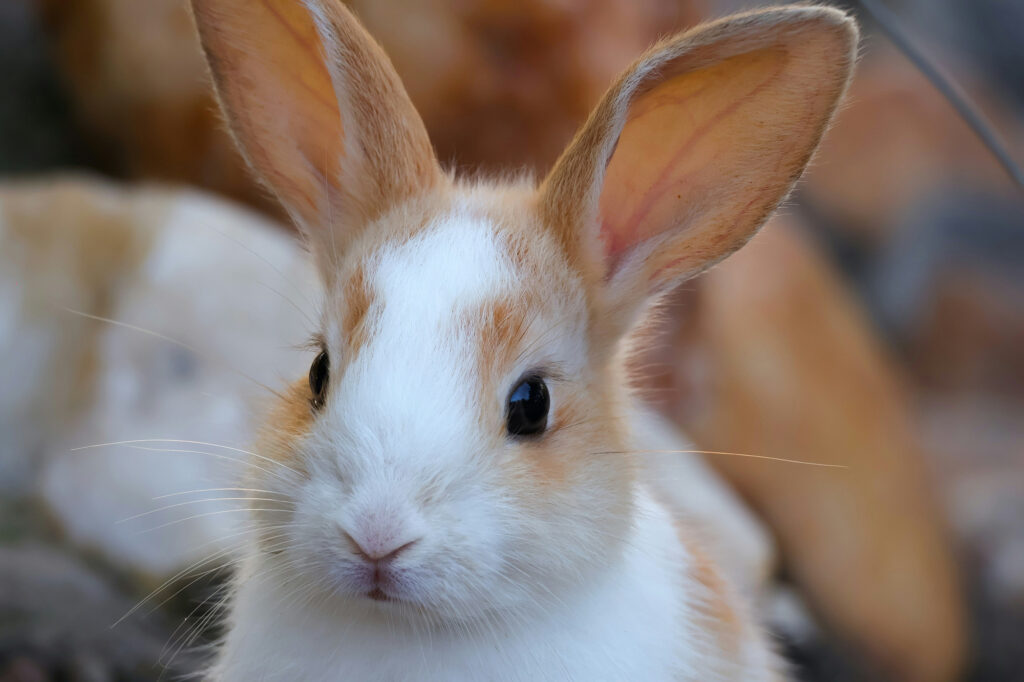
Guinea pigs and rabbits should not share a habitat.
Although both species eat hay and may appear compatible, they have different nutritional and communication needs. A rabbit can also unintentionally injure a guinea pig through kicking, mounting or rough movement.
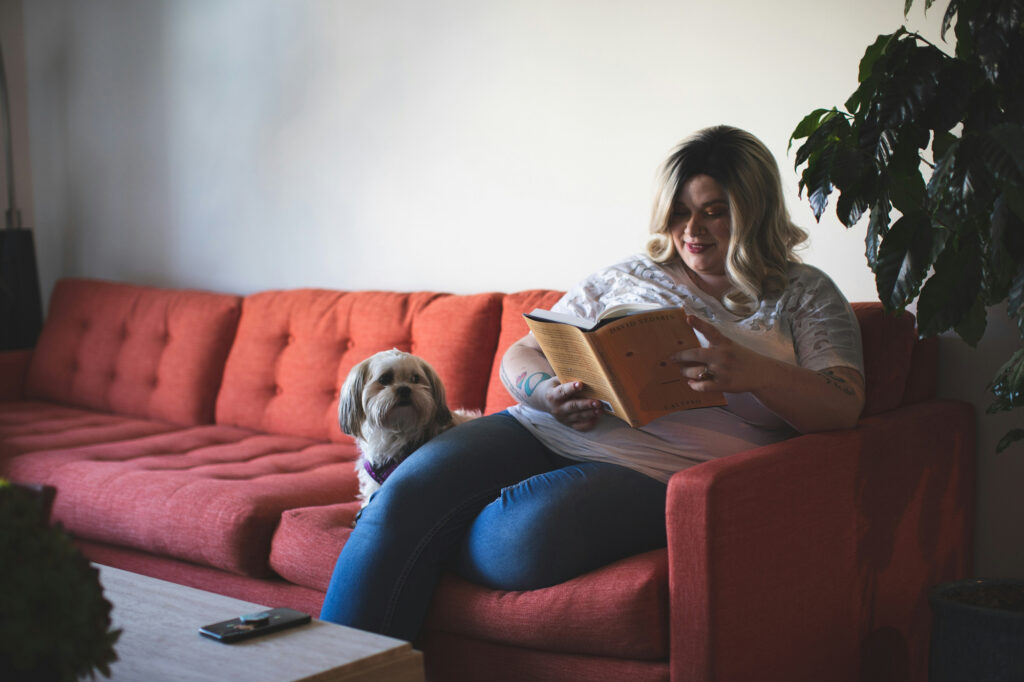
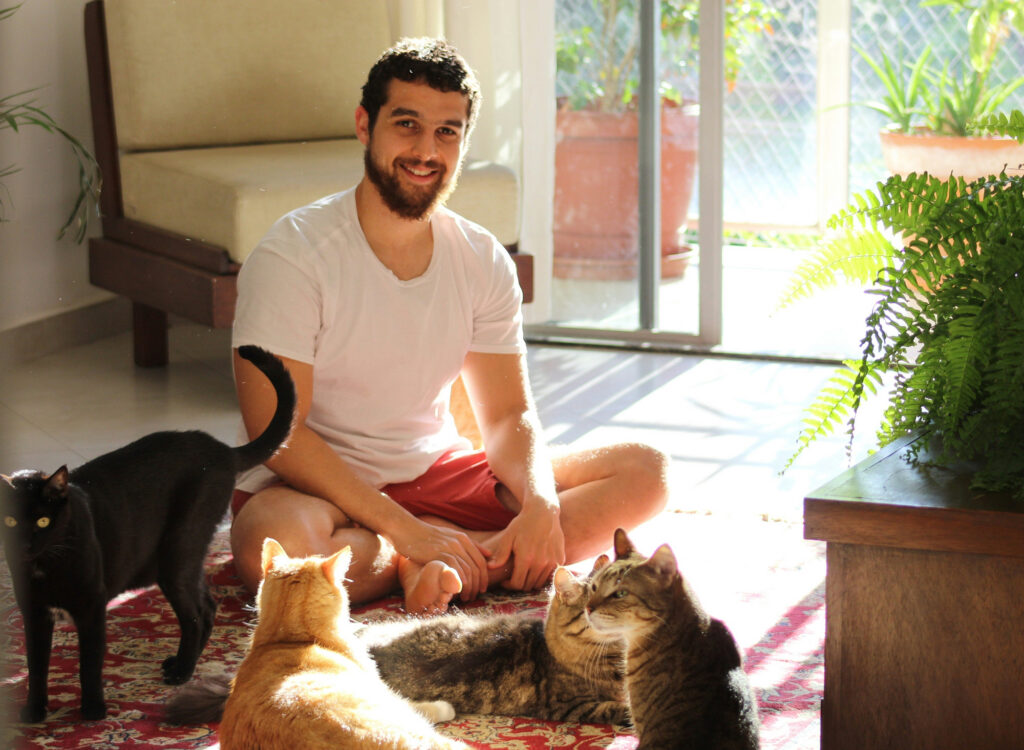
Rabbits, dogs and cats can carry bacteria that may cause respiratory illness in guinea pigs. Keep guinea pigs securely separated from other species and do not rely on friendly behaviour as proof that direct contact is safe.
Guinea pigs need constant access to appropriate grass hay, such as Timothy hay, unless the adoption team or veterinarian recommends something different.
Hay supports natural foraging, digestion and dental wear. Provide it in a way that is easy to reach without creating a risk of heads or feet becoming trapped.
A guinea pig’s diet may also include:
Guinea pigs cannot produce their own vitamin C, so it must come from their diet. Vitamin C also breaks down over time in stored food. Check expiry dates, store pellets properly and ask the adoption team or veterinarian how your guinea pig’s needs are being met.
Do not feed guinea pigs food formulated for rabbits, hamsters or other small animals. Their nutritional needs are different.
Ask what your guinea pig currently eats and avoid making sudden dietary changes.
Depending on the guinea pig’s current routine, water may be provided in a bottle, a heavy bowl or both.
Before arrival:
Observe your guinea pigs to make sure they know how to use the water system you provide.
Guinea pigs are active, curious animals. They need opportunities to forage, explore, chew, hide and investigate new objects.
Provide:
Scatter some appropriate food through clean hay or bedding to encourage foraging.
Guinea pigs’ teeth grow continuously, so appropriate hay and safe chewing opportunities are especially important.
Avoid items with openings that could trap a guinea pig’s head or body. Remove plastic or fabric items if they become damaged or are being swallowed.
Guinea pigs do not need exercise wheels or exercise balls. Provide a large, flat area where they can run and explore naturally.
Guinea pigs benefit from access to a secure exercise area beyond their main habitat.
This could be:
The area should be:
Include tunnels and covered areas. Guinea pigs may be reluctant to cross a large open space without somewhere to hide.
Even a calm dog, cat or ferret may frighten or injure a guinea pig. Predatory behaviour can emerge suddenly, including between animals who have previously appeared relaxed.
Place the habitat:
Do not allow direct contact simply because another animal appears friendly. The sight, scent and attention of a predator can be stressful even when there is no physical contact.
Guinea pigs can be fragile and easily frightened by sudden movement. Because many of their natural predators approach from above, being grabbed from overhead may be especially alarming.
Teach children to:
An adult should remain responsible for feeding, cleaning, health monitoring and safe handling.
Ask the adoption team to demonstrate proper handling. A guinea pig’s chest and hindquarters should be supported securely, and interactions should take place close to the floor whenever possible.
Transport your guinea pig in a secure, well-ventilated carrier.
Before leaving the shelter or foster home:
Take the closed carrier into the room where the habitat has been prepared. Remove other pets and close the door before opening it.
Allow your guinea pig to enter the habitat calmly. Keep the first day quiet and avoid unnecessary handling or introductions.
Some guinea pigs may hide or remain very still at first. Give them time to observe their surroundings and begin exploring when they feel ready.
Not every veterinary clinic treats guinea pigs. Find an appropriate veterinarian before your guinea pig needs care.
Your plan should include:
Learn what is normal for your guinea pigs, including how much they eat and drink, the droppings they produce and how active they are. Contact a veterinarian promptly if you notice a concerning change.
Guinea pigs also need regular nail care and monitoring of their continuously growing teeth.
Before your guinea pig arrives, confirm that:
Not necessarily. Many cages marketed for guinea pigs do not provide enough horizontal floor space for natural movement and exercise. Confirm current housing guidance before purchasing an enclosure.
Guinea pigs are highly social and generally benefit from living with at least one compatible guinea pig. If your guinea pig currently lives alone, ask the adoption team before introducing a companion.
Guinea pigs and rabbits should not be housed together. They have different nutritional and communication needs, and rabbits can accidentally injure guinea pigs or expose them to bacteria that may cause illness.
Guinea pigs need a comfortably cool, stable environment away from direct sunlight, drafts and heat sources. They are sensitive to high temperatures and significant temperature changes. Ask the adoption team about an appropriate range for your home.
Guinea pigs need plenty of room for exercise and natural movement. A secure attached run or protected floor area can provide additional opportunities to explore, especially when the main habitat does not offer continuous access to a larger exercise space.
Yes. Guinea pigs cannot produce vitamin C and must receive it through an appropriate diet. Ask the adoption team or veterinarian how your guinea pig’s vitamin C needs should be met.
Guinea pigs can help children develop empathy and respect for animals, but an adult must remain responsible for their care. They are fragile and should always be handled gently with active adult supervision.
A good guinea pig home provides more than food, water and shelter. It offers companionship, enough space to move, places to hide and opportunities to explore without feeling exposed.
Your new guinea pig may not approach you immediately. Trust may begin with quieter moments: eating hay while you sit nearby, emerging from a tunnel when they hear your voice or greeting the sound of a familiar food bag with an enthusiastic whistle.
Preparing the right environment gives those moments somewhere safe to begin.
The guidance reflects current recommendations from the Ontario SPCA and the RSPCA.