Living With Wildlife
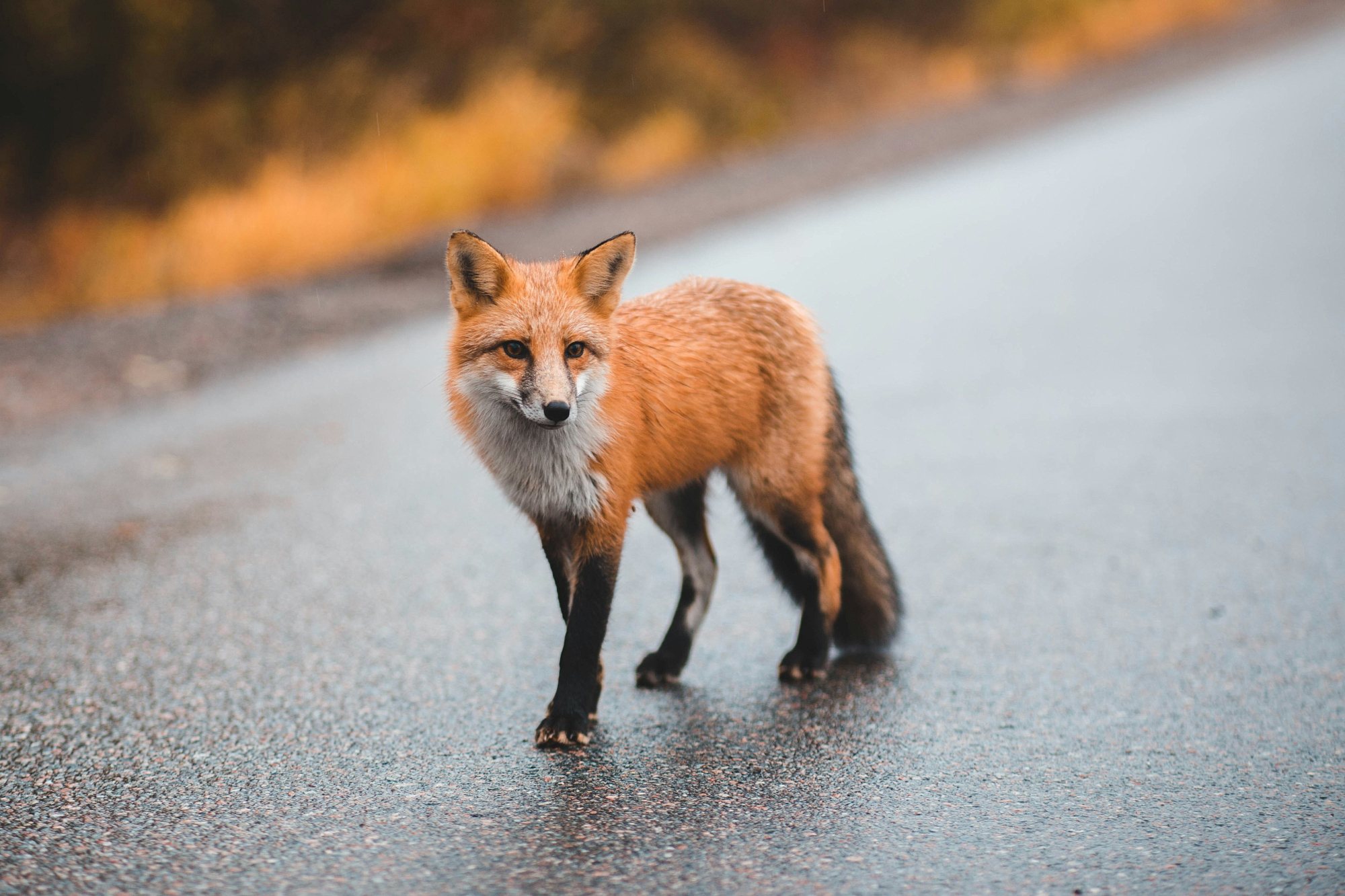
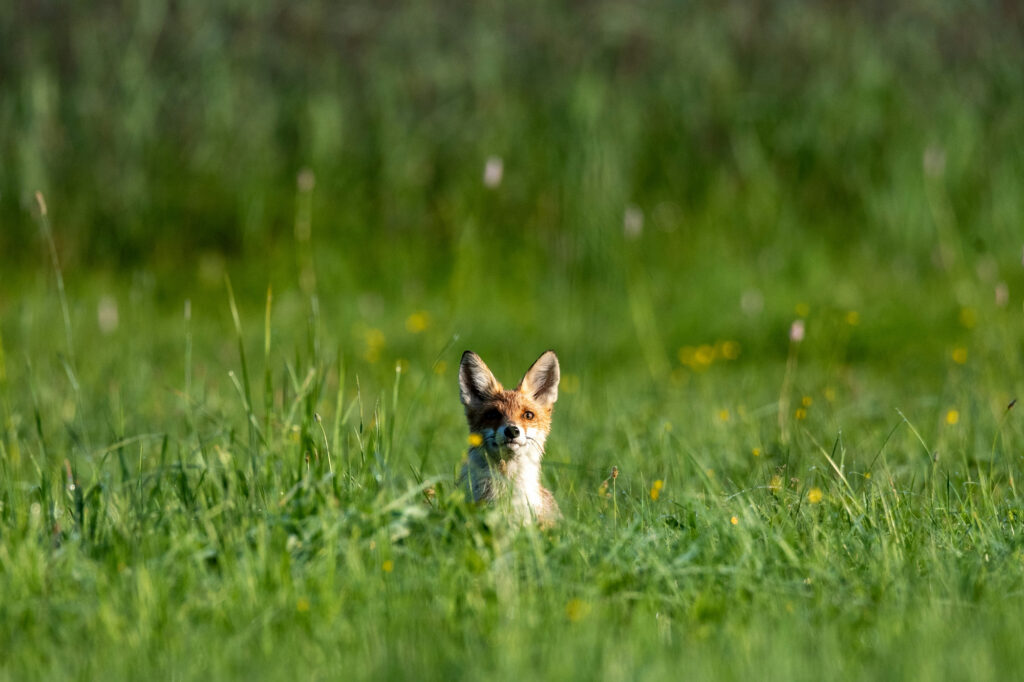
A rabbit shelters beneath a hedge. A squirrel carries nesting material across a backyard. A fox crosses a quiet street, or a family of geese pauses beside a walking trail.
Encounters like these are part of living in Guelph and Wellington County. Wildlife is not simply passing through our communities—we share the same land, water and green spaces.
As neighbourhoods grow and natural habitats change, people and wildlife are more likely to cross paths. Most encounters are brief and do not require intervention. Often, the most helpful response is to observe from a distance, give the animal room and allow them to continue on their way.
Living well with wildlife begins with understanding that these animals belong here too.
Seeing a wild animal nearby can be exciting, but getting closer is rarely in the animal’s best interest.
Wild animals need to maintain their natural caution around people and pets. Approaching, following, touching or feeding them can cause stress and may change how they behave in future encounters.
If you see a wild animal:
Giving wildlife space protects everyone and allows the animal to make their own choices.
Offering food may feel like a way to help, particularly during cold weather or when an animal appears hungry. Unfortunately, feeding can create risks that are not immediately visible.
Animals who begin to associate people or properties with food may return frequently, gather in larger numbers or lose their natural caution. They may approach homes, pets and roads, increasing the likelihood of injury and conflict. Human food can also make wild animals sick.
The kindest way to help wildlife is to let them find the natural food sources that are right for them.
In the City of Guelph, feeding wildlife is prohibited, with limited exceptions for properly maintained songbird feeders. If you use a bird feeder, keep it clean, remove spilled seed and make sure it is not attracting other animals.
Review the City of Guelph Animal Control Bylaw
To a wild animal, an uncapped chimney can resemble a hollow tree. A quiet space beneath a deck can provide shelter, while an accessible garbage container can become a reliable source of food.
Wildlife does not understand the boundaries between natural habitat and private property. Animals are simply looking for the things they need to survive.
Many conflicts can be prevented by making food and shelter less accessible:
These small changes encourage wildlife to move through our neighbourhoods without becoming dependent on our homes.
Finding an animal in an attic, chimney, shed or beneath a deck can be unsettling. Before closing an opening, remember that the animal may have young who cannot leave on their own.
Sealing an entrance too soon can separate a parent from their young or trap animals inside. Do not use smoke, fire or other methods that could frighten or injure them.
Instead, contact GHS or a wildlife-removal professional who uses humane exclusion and family-reunification practices. Ask how they will check for young, keep families together and prevent animals from returning once everyone has safely left.
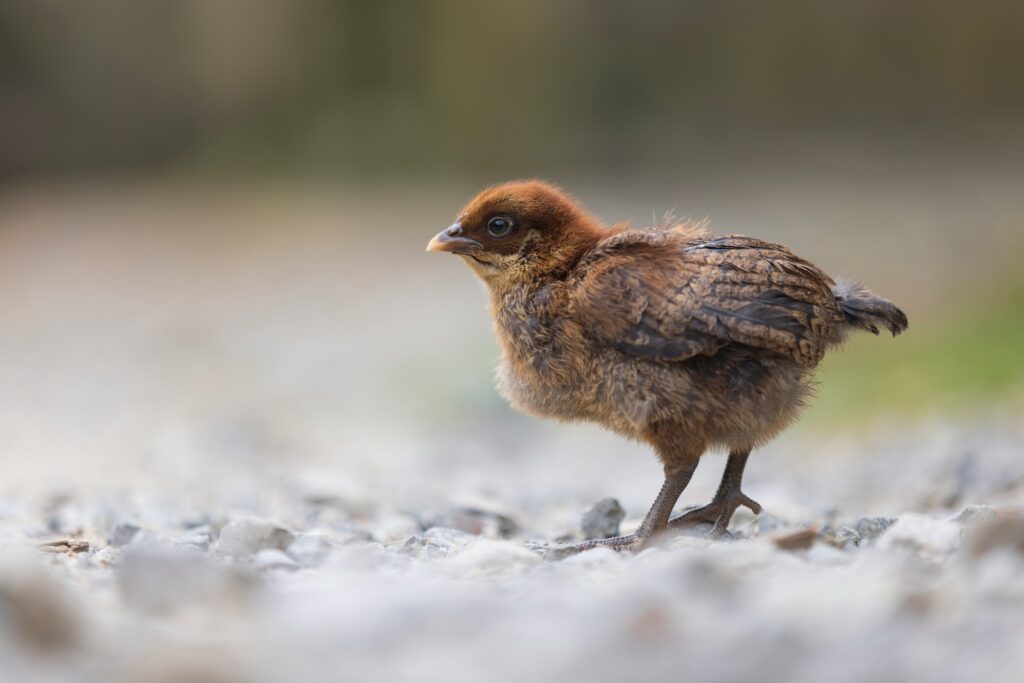
If you discover an active bird nest during yard work, construction or home maintenance, stop working in the immediate area and give the birds space. Active nests containing migratory birds or viable eggs may be protected under federal regulations.
Learn About Protecting Migratory Birds and Their Nests
Moving an animal to another area may seem like a compassionate solution, but relocation can leave them struggling to find food, water and shelter in unfamiliar surroundings. Parents may be separated from dependent young, and relocated animals may face territorial conflict, injury or disease.
Relocation also does not address what attracted the animal in the first place. If food or shelter remains available, another animal may move into the same space.
Humane exclusion, property repairs and removing attractants provide a safer and more lasting solution. Trapping and relocating wildlife may also be restricted under Ontario law.
Pets are naturally curious, but an interaction with wildlife can lead to injury or exposure to disease for both animals.
Supervise pets outdoors, use a leash in parks and natural areas and do not allow dogs to chase wildlife. Feed pets indoors, keep rabies vaccinations current and check your yard before allowing a small pet outside.
If a wild animal bites or scratches your pet, contact your veterinarian promptly. Avoid touching the affected area because saliva may be present.
If a person is bitten, scratched or exposed to the saliva of a wild mammal, wash the area with soap and water for at least 15 minutes, seek medical attention and contact Wellington-Dufferin-Guelph Public Health.
Learn About Animal Exposures and Rabies
Most wild animals should be left undisturbed, but there are times when intervention may be necessary.
Call GHS if an animal:
Please do not approach, handle, feed or transport the animal unless our team directs you to do so.
GHS Animal Services responds to wildlife emergencies 24 hours a day, seven days a week in the City of Guelph, Township of Centre Wellington and Township of Guelph/Eramosa.
Call 519-824-3091.
Living with wildlife does not mean that we will never experience inconvenience or uncertainty. It means recognizing that our choices can help prevent conflict and allow wild animals to remain wild.
By giving animals space, removing attractants, protecting their families and seeking humane guidance when challenges arise, we can make our community safer for animals and people.
If you are not sure what you are seeing or what to do next, we’re here to help.
Call 519-824-3091 or email wildlife@guelphhumane.ca for non-urgent guidance during regular business hours.