Preparing Your Home for a New Rabbit
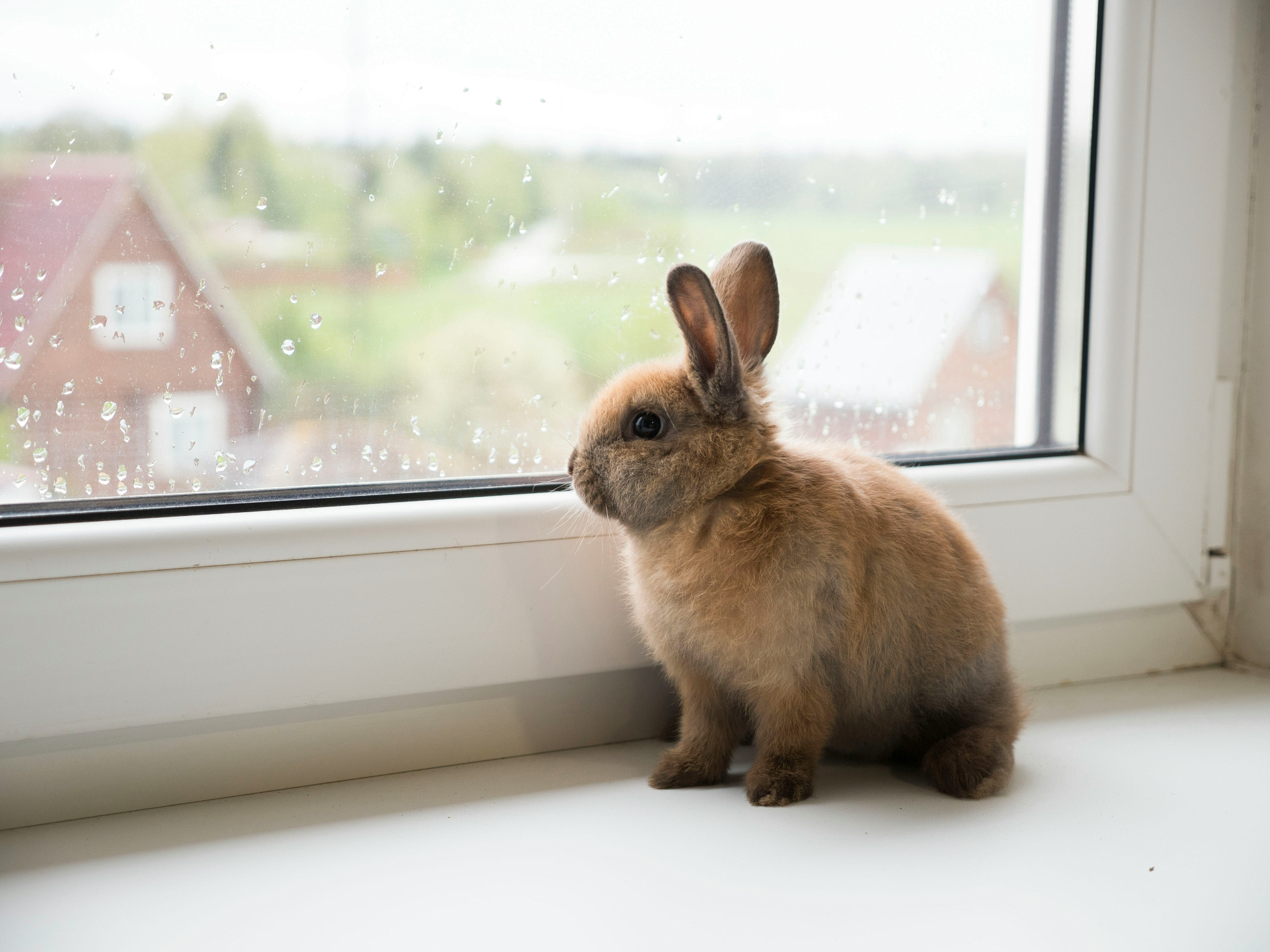
Welcoming a rabbit into your home can be the beginning of a quiet and deeply rewarding relationship. Rabbits can be curious, social and full of personality, but they often express trust differently from cats or dogs.
As prey animals, rabbits are naturally alert to unfamiliar sounds, scents and movement. A rabbit arriving from a shelter or foster home may be leaving a space, routine or bonded caregiver that has become familiar. They may not immediately understand that this new place is safe.
Preparing a spacious, secure environment before your rabbit arrives gives them somewhere to hide, explore and begin settling in without being rushed. The goal is not simply to contain your rabbit. It is to create a home where they can move freely, express natural behaviours and make choices about when to rest, play and interact.
Before bringing your rabbit home:
Ask the adoption team about your rabbit’s current housing, food, litter habits, companion relationships and medical needs before purchasing supplies.
Rabbits need enough continuous space to run, hop, stretch out and stand fully upright. A small cage or traditional hutch is not an appropriate full-time home.
A rabbit’s main living area could be:
The Rabbit Welfare Association & Fund recommends a continuous living area of at least three metres by two metres and one metre high, approximately 10 feet by 6.5 feet and 3.3 feet high, for a compatible pair of average-sized rabbits. Larger rabbits may need more space.
This area should be available at all times, not only for a few hours of exercise each day.
Before purchasing an enclosure or pen, confirm the individual rabbit’s needs and current GHS housing requirements with the adoption team.
Place your rabbit’s living area somewhere they can be part of daily household life without being surrounded by constant noise and activity.
Choose a location that is:
Avoid garages, unfinished basements and other spaces where temperature, humidity and ventilation may be difficult to control.
Rabbits are sensitive to heat. Remember that sunlight moves throughout the day and a shaded area may become much warmer later.
Rabbits need secure footing to run, hop and change direction comfortably.
Hardwood, laminate and tile can be slippery. A rabbit who cannot gain traction may move less confidently or avoid parts of their living area.
Consider covering slippery floors with:
Make sure rugs and mats lie flat and do not have loose threads or edges that could be chewed or swallowed.
Wire flooring should not be used as a rabbit’s regular standing surface. Rabbits need solid flooring and comfortable areas where they can rest.
Senior rabbits and rabbits with mobility concerns may need additional padding, lower-entry litter boxes and carefully placed mats.
Your rabbit needs a quiet place to rest without being followed, handled or disturbed.
Provide:
A hide with two openings allows a rabbit to enter and leave without feeling trapped, particularly when living with a companion.
Familiar, clean bedding or toys from the shelter or foster home may help the new environment smell less unfamiliar.
Chewing is a normal rabbit behaviour. It is not something a rabbit can simply be trained never to do.
Rabbit-proofing protects your rabbit from injury while protecting your belongings from curious teeth.
Secure or remove:
Block access to electrical cords completely or protect them with a rigid system designed to resist chewing. A soft cord cover may also be chewed.
Check the space at floor level. Rabbits can squeeze behind furniture or into openings that may not be obvious when you are standing.
Supervision is important, but it is not a substitute for removing hazards. A rabbit can damage a cord or swallow an unsafe object in seconds.
Many rabbits naturally choose one or two areas for toileting and can learn to use litter boxes.
Choose a box that:
Senior rabbits and rabbits with mobility concerns may need a box with a lower entrance.
Use a rabbit-safe, absorbent litter recommended by the adoption team or veterinarian. Avoid clumping cat litter and dusty sawdust products, which can be unsafe for rabbits.
Rabbits often enjoy eating hay while using their litter box. Place a generous supply of appropriate hay in or immediately beside the box while making sure any hay holder cannot trap a rabbit’s head, legs or body.
Depending on the size and layout of your home, you may need more than one litter box.
Accidents are normal during a transition. Changes in environment, routine and territory can temporarily affect litter habits. Respond calmly and give your rabbit time to learn the new setup.
A suitable rabbit home should provide more than food and shelter. Rabbits need opportunities to explore, forage, chew, dig, hide and make choices.
Offer:
Choose enrichment that is made from rabbit-safe materials and does not contain small openings where a head or foot could become trapped.
Rotate some items to maintain interest, but avoid changing the entire environment at once. Rabbits often find comfort in familiar layouts and scents.
Rabbits are social animals and generally benefit from living with a compatible rabbit companion.
Human attention does not fully replace the comfort, communication and companionship another rabbit can provide. Bonded rabbits may rest together, groom one another and seek reassurance from each other.
If you are adopting a bonded pair:
Do not place unfamiliar rabbits together and expect them to become friends immediately. Rabbit introductions require planning and should follow guidance from the adoption team or someone experienced in rabbit bonding.
Rabbits should not be housed with guinea pigs. They have different nutritional and communication needs, and rabbits can accidentally injure guinea pigs or expose them to bacteria that may cause illness.
Ask the adoption team what your rabbit currently eats and uses for litter, water, bedding and enrichment.
Before your rabbit arrives, have:
Avoid making sudden changes to your rabbit’s food. Ask the adoption team or a rabbit-experienced veterinarian how to introduce any necessary dietary changes.
Even a calm dog or cat may frighten or injure a rabbit. Predatory behaviour can emerge suddenly, including between animals who have previously appeared relaxed.
Prepare a space:
Do not allow direct contact simply because another pet seems friendly. If animals of different species will share a household, ask the adoption team for guidance on safe management.
Your rabbit should always have an area where other animals cannot follow.
Rabbits are often thought of as cuddly pets, but many do not enjoy being picked up. Being lifted from the ground can feel frightening to a prey animal.
Teach children to:
An adult should remain responsible for feeding, cleaning, grooming, health monitoring and safe handling.
When a rabbit must be lifted, their body and powerful hindquarters need to be supported securely. Ask the adoption team or a rabbit-experienced veterinarian to demonstrate safe handling. Never lift a rabbit by their ears or scruff.
Transport your rabbit in a secure, well-ventilated carrier.
Before leaving the shelter or foster home:
Take the closed carrier into the rabbit’s prepared space before opening it. Close doors and remove other pets from the area.
Open the carrier and allow the rabbit to come out when they feel ready. Avoid unnecessary handling, loud voices and introductions on the first day.
Some rabbits will explore quickly. Others may remain in the carrier or a hiding place until the household becomes quiet.
Not every veterinary clinic treats rabbits. Find an appropriate veterinarian before your rabbit needs care.
Your plan should include:
Rabbits may hide signs of illness. Learn what is normal for your rabbit, including their eating, drinking, droppings and activity. Contact a rabbit-experienced veterinarian promptly if you notice a concerning change.
Before your rabbit arrives, confirm that:
A small cage is not an appropriate full-time home for a rabbit. Rabbits need a large, continuous space where they can run, hop, stretch out and stand upright at all times.
The Rabbit Welfare Association & Fund recommends an area of at least three metres by two metres and one metre high—approximately 10 feet by 6.5 feet and 3.3 feet high—for a compatible pair of average-sized rabbits. Larger rabbits may need more space.
Rabbits need continuous access to enough space for exercise and natural movement. A small enclosure with only brief periods of exercise is not sufficient. Additional supervised access to a larger rabbit-proofed area can provide more exploration and enrichment.
Rabbits are social and generally benefit from living with a compatible rabbit companion. If your rabbit currently lives alone, speak with the adoption team before introducing another rabbit. Bonding should be carefully planned rather than rushed.
Rabbits and guinea pigs should not be housed together. They have different diets and communication styles, and rabbits can accidentally injure guinea pigs or expose them to bacteria that may cause illness.
Many rabbits naturally choose a toileting area and can learn to use a litter box. Use a large box with rabbit-safe litter and place hay in or beside it. Environmental changes may temporarily affect litter habits.
Many rabbits prefer interacting with people at ground level and may find being picked up frightening. Allow your rabbit to approach you and ask the adoption team to demonstrate safe handling for times when lifting is necessary.
Preparing for a rabbit means creating more than a secure enclosure. It means making room for running, resting, digging, chewing, hiding, exploring and companionship.
Your new rabbit may not seek contact immediately, and trust may grow in small moments: choosing to eat while you sit nearby, stretching out in the open or approaching to investigate your hand.
A spacious environment and the freedom to make choices give that relationship somewhere safe to begin.
The housing, space and companionship guidance reflects current recommendations from the Rabbit Welfare Association & Fund, House Rabbit Society and the RSPCA.